
What Is Down Syndrome? Does It Affect Life Expectancy?
Down syndrome is a genetic condition caused by the presence of an extra copy of chromosome 21. In this article, you'll learn about the causes of Down syndrome, its common characteristics and associated health conditions, and the benefits of early intervention. We also talk about the small action you can take to suppot people with Down syndrome.
2. Common Health Conditions Associated with Down Syndrome.
3. Early Intervention
4. Make a difference
History
The condition now known as Down syndrome was not always called by this name. It was first described in 1862 by the British physician John Langdon Down. At the time, due to the racial misconceptions common in the medical community, the condition was mistakenly associated with people of Mongolian descent and was referred to as "Mongolism."
In 1965, following a request from the People's Republic of Mongolia, the World Health Organization (WHO) officially adopted the term "Down syndrome" in honor of Dr. Down, replacing the outdated and offensive terminology. Today, the condition is medically recognized as Trisomy 21, reflecting its underlying genetic cause—the presence of an extra copy of chromosome 21.
What causes Down Syndrome?
Down syndrome is a congenital genetic condition caused by a chromosomal abnormality. Typically, human cells contain 46 chromosomes arranged in 23 pairs. In individuals with Down syndrome, however, there is an extra copy of chromosome 21, resulting in a total of 47 chromosomes.
This additional genetic material alters the course of development, leading to the physical characteristics and developmental differences commonly associated with Down syndrome.
Who can have a baby with Down Syndrome?
The likelihood of having a baby with Down syndrome increases with maternal age. For example, the estimated chance is about 1 in 800 for a woman aged 30, while it rises to approximately 1 in 25 by age 45. However, it is a common misconception that only older mothers have babies with Down syndrome. In reality, babies with Down syndrome are also born to women under the age of 30.
While the birth of a child with Down syndrome may be unexpected for many families, it also marks the beginning of a lifelong journey of love, care, and support. Every person with Down syndrome deserves to be valued, respected, and given the opportunity to thrive.
2. Common Health Conditions Associated with Down Syndrome
People with Down syndrome may experience a range of health conditions and developmental challenges. However, every individual is unique, and not everyone will have the same medical or developmental needs.

Common Conditions
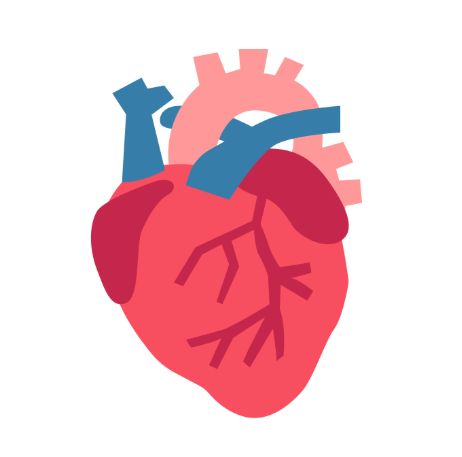
Common Down Syndrome associated conditions include congenital heart disease, gastrointestinal abnormalities, hearing and vision impairments, developmental delays, bone and joint conditions, and sleep apnea. Some individuals may also have differences in immune function, thyroid disorders, or behavioral and emotional challenges.Regular health monitoring, early intervention, and appropriate medical care can help identify and manage many of these conditions, supporting healthier and more independent lives.
3. Early Intervention
For children with Down syndrome who experience developmental delays in areas such as learning, motor skills, speech and language, early intervention provides timely support during these important years, helping them build essential skills, become more independent, and gradually develop their unique strengths and potential.
What is Early Intervention?
Early intervention refers to developmental support and therapy for children from birth to around six years of age.
The early years of life are a critical period for brain and physical development. Providing timely support and appropriate stimulation during this stage can have a lasting positive impact on a child's learning and daily living skills. For children with Down syndrome, early intervention provided by a multidisciplinary team can help strengthen essential everyday skills—including communication, mobility, social interaction, and self-care.
By building these skills from an early age, children are better equipped to grow, learn, and become more independent throughout their lives.
What Does Early Intervention Include?
A comprehensive early intervention program is tailored to each child's individual strengths and developmental needs. It is typically planned and delivered by a multidisciplinary team and may include:
- Speech and language therapy
- Physical therapy
- Sensory integration therapy
- Daily living skills training
- Parent education and family support
Beyond Early Intervention
Early intervention is an important part of supporting children with Down syndrome, but it is only one stage of the journey. As people with Down syndrome grow, they may continue to require support in healthcare, education, daily living, employment, and community participation.
For many families, meeting these changing needs can be challenging. Long-term support often requires considerable time, financial resources, and access to specialized services, which may not always be readily available.
To support individuals with Down syndrome and their families throughout different stages of life, the Down Syndrome Foundation Taiwan provides a range of services, including:
- Early intervention programs
- Non-profit preschools
- Infant and toddler care centers
- Residential care services
- Day care centers for people with disabilities
- Supported and sheltered employment
- Integrated Clinics
4. Make a Difference
321: Lots of Socks
Creating a more inclusive society begins with small actions.
One opportunity to show your support is World Down Syndrome Day, observed each year on 21 March. The date—3/21—represents the extra copy of chromosome 21 that causes Down syndrome.
Join the Lots of Socks campaign, wearing colorful or mismatched socks as a symbol of diversity and inclusion. It is a simple way to start conversations and celebrate the value of every individual.
Support Our Work
Donations help DSF Taiwan to provide services for people with Down syndrome and their families throughout every stage of life. Whether you choose to make a one-time or recurring donation, your support helps ensure that individuals with Down syndrome and their families can continue to access the services and opportunities they need.
