
How can technology make exercise more effective while supporting better care?
The uGym Circuit
The Chongxin Day Care Center for Persons with Disabilities, commissioned by the New Taipei City Government and operated by DSF Taiwan, has introduced the AI-powered exercise management system, uGym Circuits, creating a smarter and more personalized model of care. Through data-driven insights, visual feedback, and personalized exercise programs, the system helps participants build healthy exercise habits while enabling the care team to better monitor their health and well-being.
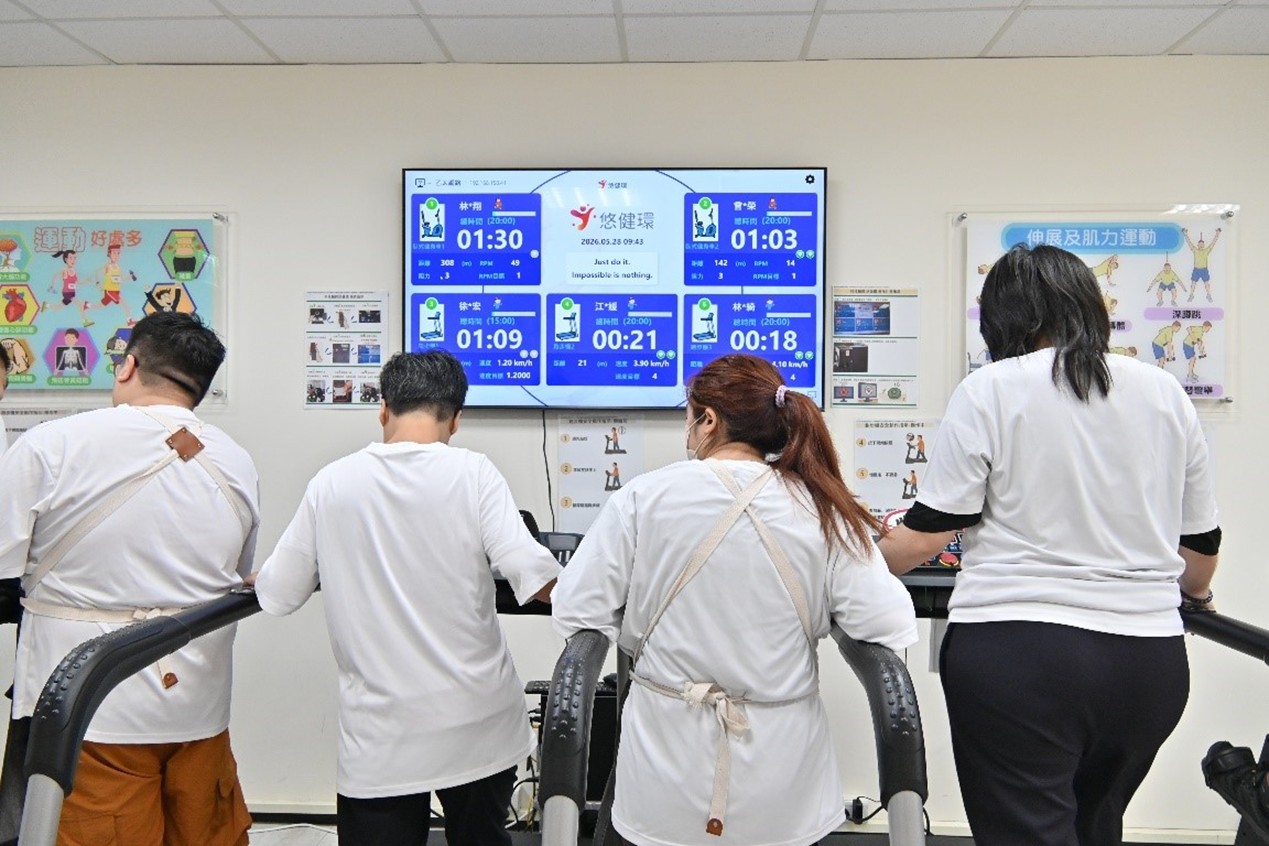
“People with disabilities can experience a rapid decline in their physical abilities if they remain inactive for an extended period, especially after the age of 35,” said Yang Chia-wei, Head of the Education and Care Team at the Chongxin Day Care Center.
Encouraging people with disabilities to exercise, however, is not always easy. For some participants, physical activity is associated with punishment rather than enjoyment. Since introducing uGym Circuits in September 2025, the Day Care Centre team has found it easier to create a welcoming and enjoyable exercise environment.
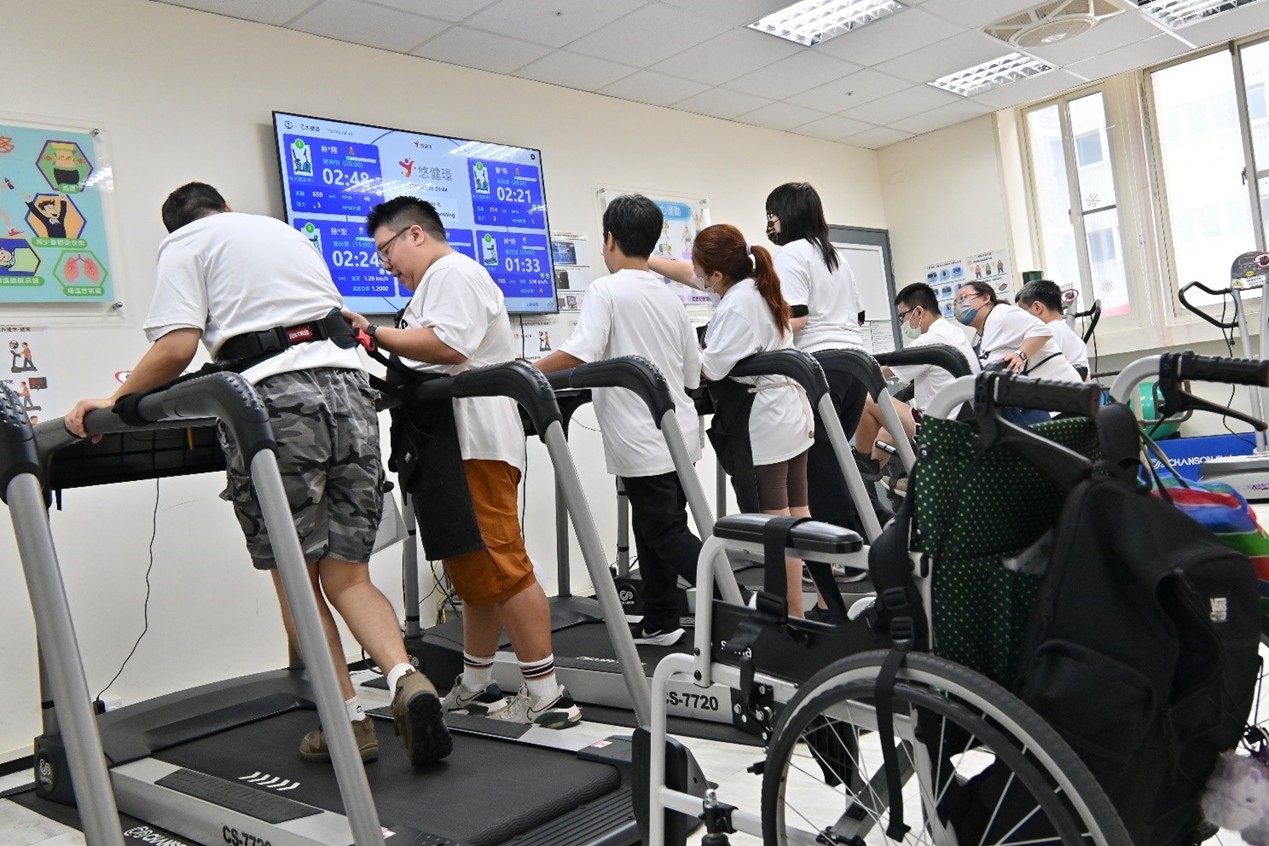
The new system allows the team to use sensors to track each participant's exercise duration, speed, and frequency. With every workout automatically recorded, the team now has valuable insights into each individual's exercise progress, enabling more personalized support for their ongoing health and well-being.
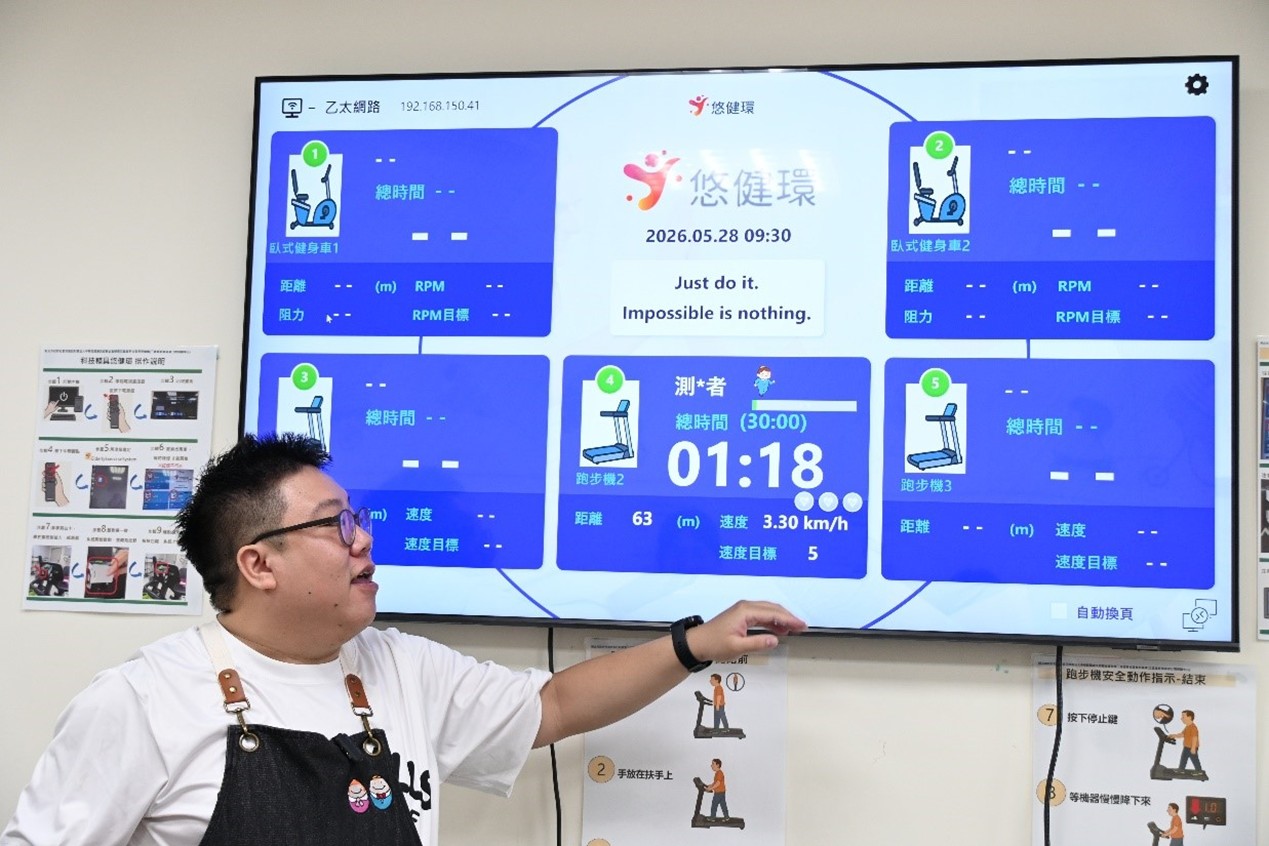
uGym Circuits also provides real-time visual feedback through features such as a progress bar and activity indicators, allowing participants to see their achievements as they exercise. According to Yang Chia-wei, participants often used to ask, "How much longer do I have to keep going?" Now, they can simply watch the progress bar fill up, making their progress easy to understand and giving them a greater sense of accomplishment.
From Wheelchair to Treadmill
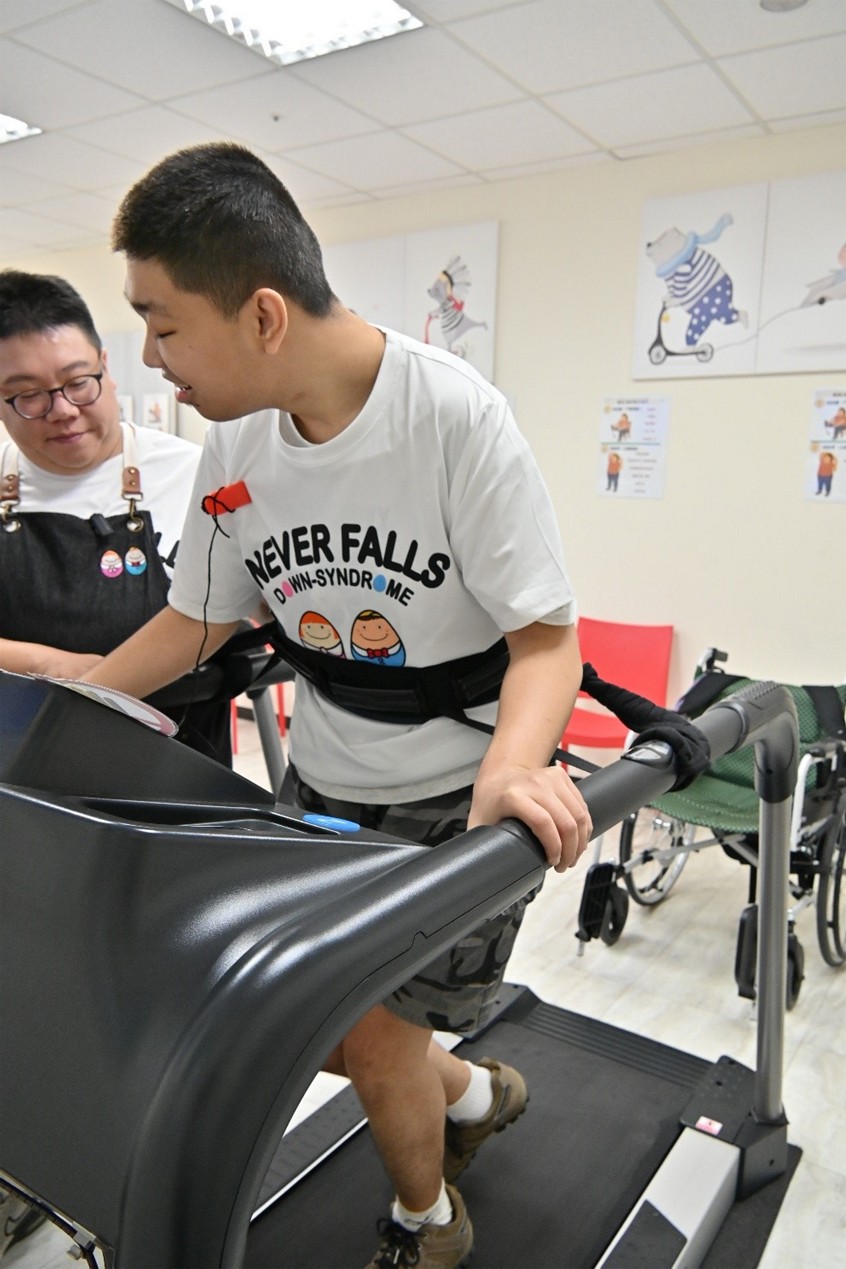
The Day Care Centre has also adapted its exercise equipment to better meet the needs of people with disabilities. For example, the treadmills can be set to speeds as low as 0.2 km/h and feature extended handrails, providing greater safety and stability during exercise.
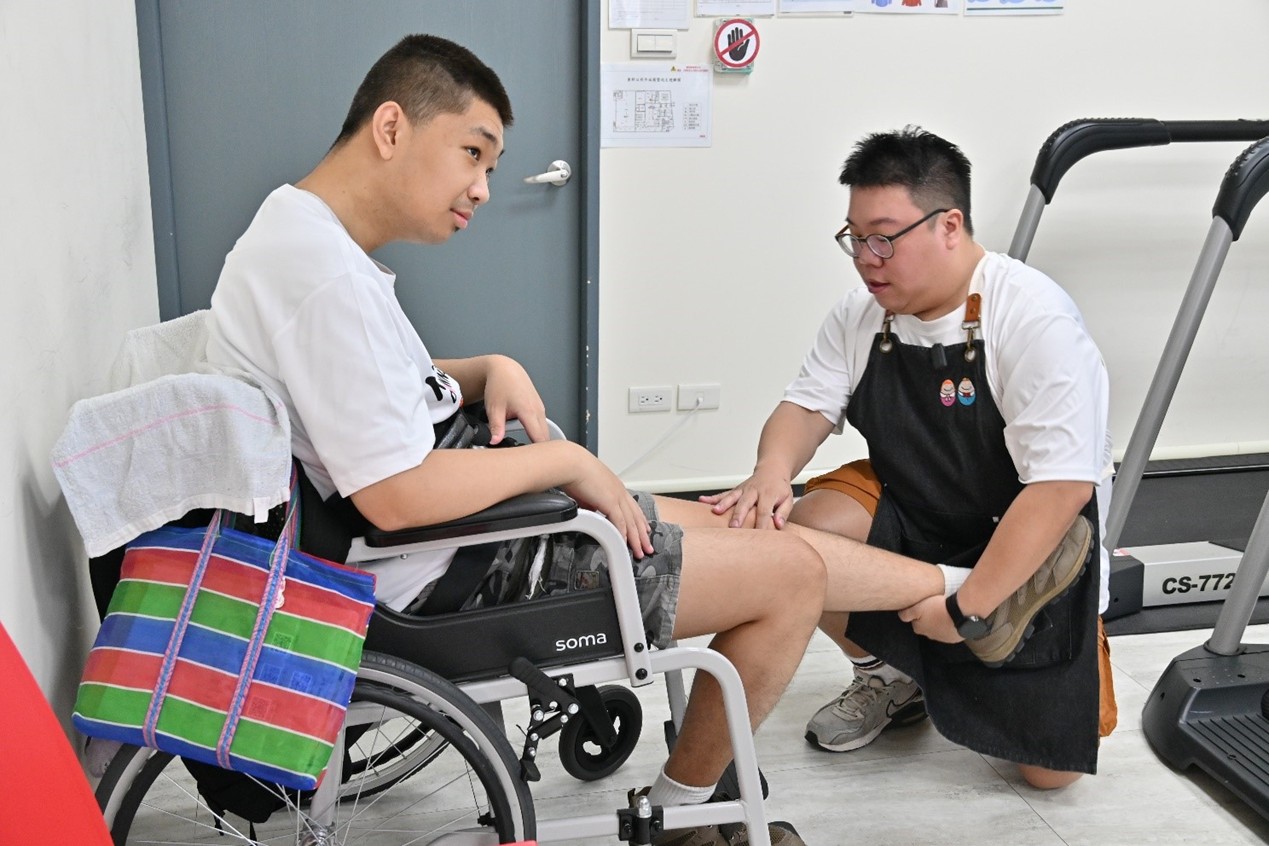
For one participant who had relied on a wheelchair for many years, walking on a treadmill once seemed impossible. With the introduction of the slow-speed treadmill and the support of the care team, each session became a step toward greater confidence and independence. After nearly a year of practice, the participant is now able to stand on the treadmill and complete walking training—an achievement once thought beyond reach.
Lin Cheng-hsia, Chairman of the DSF Taiwan, emphasized that the purpose of technology is to serve as a strong partner for caregivers, not to replace them. When AI helps with the repetitive tasks, frontline staff can devote more time to companionship and personal care.
